

Container Preparation Guide for DMSO Use
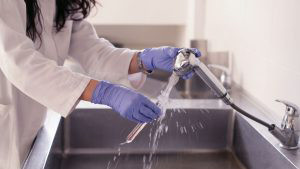
Proper container preparation is essential to maintain the integrity, safety, and efficacy of DMSO solutions, given its reactive and penetrative nature.
1. Select the Appropriate Container Material
- Use glass or high-grade plastic (e.g., polypropylene or HDPE) resistant to DMSO’s solvent action.
- Avoid polycarbonate, PVC, or polystyrene, which may degrade or leach harmful substances.
2. Ensure Pharmaceutical-Grade Cleanliness
- Wash thoroughly with distilled water and mild, non-reactive detergent.
- Rinse multiple times to eliminate all residues.
- Finish with a rinse of 70% ethanol or sterile water to sterilize, depending on usage (medical or lab).
3. Drying and Storage Conditions
- Air dry in a dust-free environment or use a sterile drying cabinet if available.
- Cap the container immediately after drying to prevent airborne contamination.
- Store at room temperature in a clean, dark, and dry location.
4. Labeling
- Clearly mark the container with:
- Concentration (e.g., “70% DMSO”)
- Date of preparation
- Intended use or application site
- Use chemical-resistant labels to avoid fading or peeling.
5. Inspection Before Use
- Visually inspect for cracks, cloudiness, or residue inside the container.
- Smell check: if an unexpected odor is present, discard and re-prepare.