shop
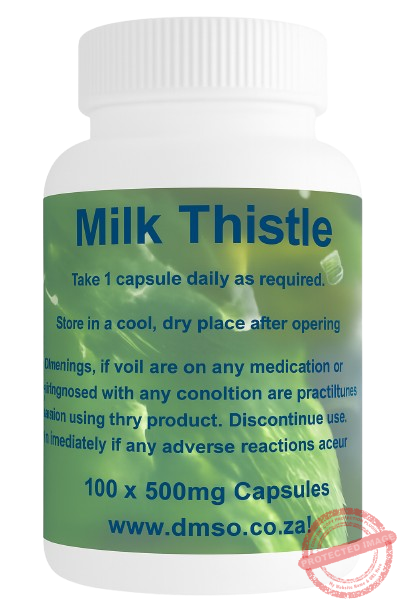
What is Milk Thistle (Silybum marianum)?
Milk Thistle is a medicinal herb derived from the seeds of the Silybum marianum plant, traditionally used for liver health. The key active ingredient is silymarin, a complex of flavonolignans, primarily silybin, which provides antioxidant, anti-inflammatory, and hepatoprotective effects. It has been used for centuries in both traditional Western and Ayurvedic medicine to treat liver and gallbladder disorders.
Key Benefits of Milk Thistle
| Health Benefit | Description |
|---|---|
| ️ Liver Protection | Stabilizes liver cell membranes and enhances regeneration of liver tissue, especially in hepatitis and cirrhosis (Flora et al., 1998). |
| Detoxification Support | Increases glutathione levels, promoting detoxification of drugs, alcohol, and environmental toxins (Abenavoli et al., 2010). |
| Cardiovascular Health | Exhibits antioxidant effects that reduce LDL oxidation and protect blood vessels from damage (Loguercio & Festi, 2011). |
| Neuroprotection | May help reduce neuroinflammation and oxidative stress in neurological conditions (Wu et al., 2013). |
| Anti-inflammatory Effects | Suppresses pro-inflammatory cytokines like TNF-α and IL-6, potentially aiding chronic inflammation control. |
| Antioxidant Boost | Neutralizes free radicals and protects against oxidative stress by stimulating cellular antioxidant enzymes. |
| Support During Chemotherapy | Used to protect liver cells from chemotherapy-induced toxicity in integrative cancer care protocols. |
Recommended Dosage
| Form | Dosage Range | Notes |
|---|---|---|
| Standardized Extract (70–80% Silymarin) | 250–500 mg, 1–2x daily | Most effective form; take with food to improve absorption. |
| Silybin-Phosphatidylcholine Complex | 100–300 mg daily | Enhanced bioavailability version; 5–10x better absorption than plain silymarin. |
| Raw Seed Powder or Tea | Not standardized | Not recommended for consistent therapeutic effects due to low bioavailability. |
Best taken: With meals to aid absorption; morning or midday recommended for best metabolic synergy.
⚠️ Precautions & Side Effects
-
Generally safe when used appropriately.
-
May cause gastrointestinal upset, headache, or mild allergic reactions, especially in those allergic to ragweed, daisies, or marigolds.
-
May interact with CYP450 enzymes, affecting metabolism of medications like statins, anticoagulants (e.g., warfarin), and anti-epileptics.
-
Use caution in hormone-sensitive conditions due to weak phytoestrogenic effects.
-
Not recommended during pregnancy or breastfeeding without medical supervision.
Always consult a healthcare professional before beginning supplementation, especially if you have liver disease, are on medications, or have underlying health concerns.
References
-
Flora, K., Hahn, M., Rosen, H., & Benner, K. (1998). "Milk thistle (Silybum marianum) for the therapy of liver disease." The American Journal of Gastroenterology.
-
Abenavoli, L. et al. (2010). "Milk thistle in liver diseases: past, present, future." Phytotherapy Research.
-
Loguercio, C., & Festi, D. (2011). "Silybin and the liver: From basic research to clinical practice." World Journal of Gastroenterology.
-
Wu, J. W. et al. (2013). "Silymarin and its components in neurological disorders." Neurochemical Research.