shop
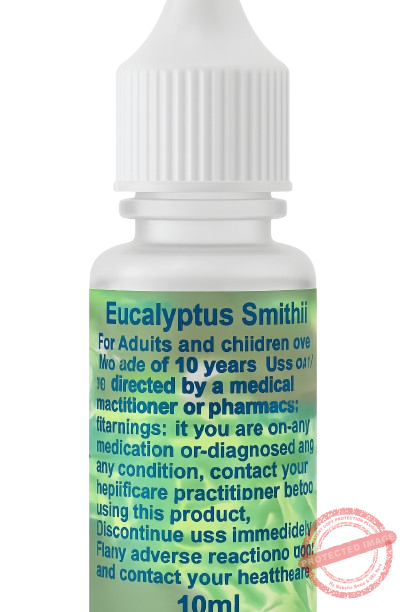
What is Eucalyptus Smithii?
Eucalyptus smithii is a milder, gentler species of eucalyptus native to Australia and ideal for therapeutic use—especially for children and sensitive individuals. It contains lower levels of cineole than Eucalyptus globulus, making it less irritating to the respiratory tract and skin. It is steam-distilled from the leaves and twigs of the Eucalyptus smithii tree and is known for its clear, penetrating, camphoraceous aroma.
Key Benefits of Eucalyptus Smithii Oil
| Health Benefit | Description |
|---|---|
| ️ Respiratory Support | Loosens mucus and eases breathing during colds, flu, and sinusitis; acts as a mild decongestant. |
| Antibacterial & Antiviral | Helps inhibit airborne pathogens and supports immune defense when diffused (Buchbauer et al., 1993). |
| ❄️ Cooling and Soothing | Provides a mild cooling effect when applied topically; relieves sore muscles and inflammation. |
| Safe for Children & Elderly | Gentler alternative to E. globulus—better tolerated in sensitive users. |
| Skin Support | May be used in diluted form to support wound healing and reduce skin irritation. |
| Mental Clarity | Enhances focus, clears mental fog, and revitalizes energy when inhaled. |
Recommended Dosage & Usage
| Application Method | Dosage | Instructions |
|---|---|---|
| Aromatherapy Diffusion | 3–5 drops | Add to diffuser with water; run for 30–60 minutes in a well-ventilated room. |
| Steam Inhalation | 2–3 drops | Add to bowl of hot water; inhale deeply for 5–10 minutes (cover head with towel). |
| Topical (Massage/Chest Rub) | 2–4 drops per 10ml carrier oil | Use grapeseed, sunflower, or avocado oil; apply to chest, neck, or back. |
| Bath Use | 3–6 drops (in emulsifier) | Combine with milk or carrier oil before adding to bath to prevent skin irritation. |
Best used: During cold/flu season, in winter, or before bedtime to support clear breathing.
⚠️ Precautions & Side Effects
-
Do not use undiluted on skin—may cause irritation.
-
Not recommended for use in infants under 2 years old.
-
Avoid internal use.
-
Use caution with asthma or chronic respiratory issues—test response in small amounts first.
-
Store away from light and heat; essential oils are highly concentrated and should be used with care.
References
-
Buchbauer, G. et al. (1993). "Biological activities of essential oils." Journal of Essential Oil Research.
-
Lis-Balchin, M. & Hart, S. (1999). "Studies on the mode of action of the essential oil of Eucalyptus smithii." Phytotherapy Research.
-
Tisserand, R., & Young, R. (2014). Essential Oil Safety (2nd ed.). Elsevier.