shop
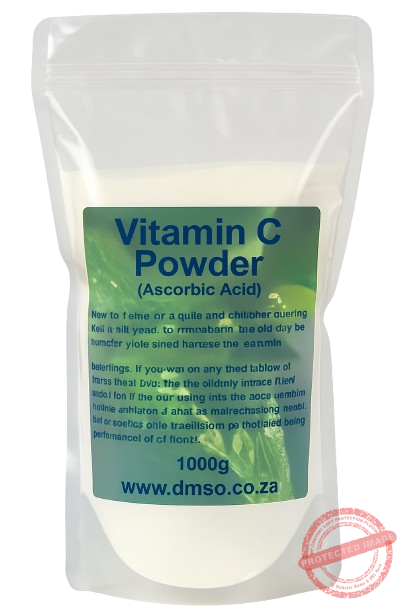
What is Ascorbic Acid?
Ascorbic Acid is the pure, crystalline form of Vitamin C, a water-soluble essential nutrient renowned for its antioxidant properties and role in immune defense, collagen synthesis, iron absorption, and overall cellular health. Ascorbic acid is widely used in dietary supplementation and therapeutic protocols due to its high bioavailability and versatility in dosage and delivery.
Unlike many animals, humans cannot synthesize Vitamin C and must obtain it from external sources such as food or supplements.
Key Benefits of Ascorbic Acid
| Health Benefit | Description |
|---|---|
| Immune System Support | Enhances white blood cell function, helping fight off infections and shortening recovery time. |
| Skin Health & Collagen | Essential for collagen production, improving skin elasticity and wound healing. |
| Antioxidant Protection | Neutralizes free radicals, reduces oxidative stress, and may help slow the effects of aging. |
| Iron Absorption | Enhances the absorption of non-heme iron from plant-based foods, reducing the risk of anemia. |
| Cognitive Function | Supports neurotransmitter synthesis and may protect against age-related cognitive decline. |
| Heart Health | May help lower blood pressure and improve endothelial function through its antioxidant effects. |
Recommended Dosage & Usage
| Form | Dosage | Instructions |
|---|---|---|
| Powder (100% pure) | ¼ – 1 teaspoon daily (approx. 1,000 – 4,000 mg) | Mix with water, juice, or smoothies. Start low and increase gradually. |
| Liposomal or Buffered | 1,000 – 2,000 mg daily | Gentler on the stomach; often used for therapeutic doses. |
| Topical (DIY serum) | ¼ tsp powder per 2 tbsp water or aloe | Apply freshly mixed to face for brightening effects (optional use of preservative). |
Best taken: In divided doses throughout the day, with or without meals.
⚠️ Precautions & Side Effects
-
High doses (>2,000 mg/day) may cause diarrhea, bloating, or kidney stress in sensitive individuals.
-
Long-term high intake may increase risk of kidney stones in predisposed individuals.
-
Avoid in iron overload conditions like hemochromatosis without medical supervision.
-
Always consult a healthcare provider before starting high-dose supplementation, especially if pregnant, breastfeeding, or on medication.
References
-
Carr, A. C., & Maggini, S. (2017). "Vitamin C and immune function." Nutrients, 9(11), 1211.
-
Hemilä, H. (2017). "Vitamin C and Infections." Nutrients, 9(4), 339.
-
Padayatty, S. J., et al. (2003). "Vitamin C as an antioxidant: evaluation of its role in disease prevention." Am J Clin Nutr, 77(6), 1436–1444.
-
Lykkesfeldt, J., & Poulsen, H. E. (2010). "Is Vitamin C supplementation beneficial? Lessons learned from randomised controlled trials." British Journal of Nutrition, 103(9), 1251–1259.