shop
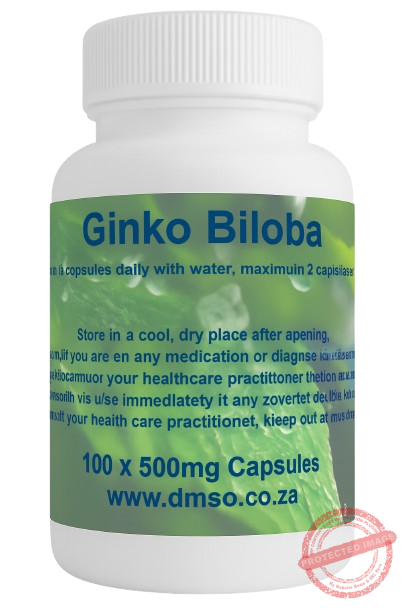
What is Ginkgo Biloba?
Ginkgo Biloba is one of the oldest living tree species and its leaves have been used in traditional Chinese medicine for centuries. Rich in flavonoids and terpenoids, its extract is standardized to contain ginkgolides and bilobalide—key bioactive compounds known for promoting cognitive health, blood circulation, and neuroprotection.
Key Benefits of Ginkgo Biloba
| Health Benefit | Description |
|---|---|
| Cognitive Function & Memory | Enhances blood flow to the brain and improves memory, focus, and mental clarity (Oken et al., 1998). |
| Circulatory Support | Increases peripheral blood circulation, which may help with cold extremities and intermittent claudication. |
| Antioxidant Properties | Neutralizes free radicals and protects neurons from oxidative stress. |
| Heart & Vascular Health | May improve vascular tone and reduce platelet aggregation, lowering risk of clots. |
| Mood Balance & Anxiety Relief | Modulates serotonin and dopamine receptors—may ease anxiety and mild depression (Woelk et al., 2007). |
| Tinnitus & Eye Health | May reduce tinnitus (ear ringing) and improve ocular blood flow in glaucoma patients. |
| Age-Related Cognitive Decline | Widely studied for delaying Alzheimer’s-related symptoms and age-related memory loss. |
Recommended Dosage
| Form | Dosage Range | Notes |
|---|---|---|
| Capsules/Tablets (Standardized Extract) | 120–240 mg per day | Divided into 2–3 doses daily; standardized to 24% flavone glycosides and 6% terpene lactones. |
| Raw Leaf Powder | 500–1,000 mg per day | Less concentrated than standardized extract; effects may vary. |
| Liquid Extract/Tincture | 1–2 mL, 2–3 times per day | Often alcohol-based; adjust dosage depending on concentration. |
Best taken: With meals to minimize gastrointestinal discomfort. May take 4–6 weeks for full cognitive effects to manifest.
⚠️ Precautions & Side Effects
-
Possible side effects include headache, nausea, dizziness, and digestive upset.
-
May increase bleeding risk, especially when taken with aspirin, warfarin, or NSAIDs—avoid before surgery.
-
Not recommended during pregnancy or breastfeeding.
-
May interact with medications for seizures, diabetes, and antidepressants.
Consult your healthcare provider before use, particularly if you are on blood thinners or anticoagulant therapy.
References
-
Oken, B. S. et al. (1998). "The efficacy of Ginkgo biloba on cognitive function in Alzheimer disease." Archives of Neurology.
-
Woelk, H. et al. (2007). "Ginkgo biloba extract EGb 761 in generalized anxiety disorder." Journal of Psychiatric Research.
-
Maclennan, K. M. et al. (2002). "The mechanisms of action of Ginkgo biloba in the CNS." CNS Drug Reviews.
-
Kellermann, A. J. et al. (2011). "The effect of Ginkgo biloba on blood pressure and vascular function." Journal of Hypertension.