shop
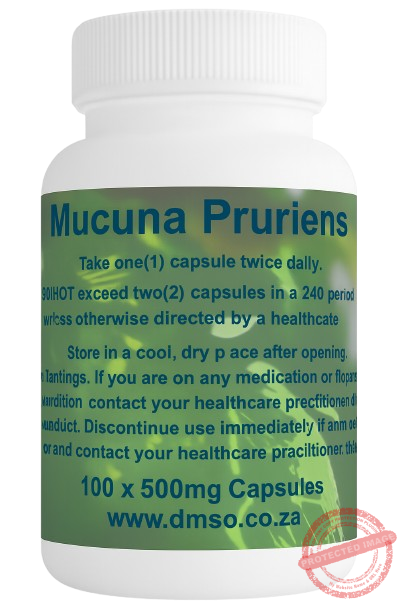
What is Mucuna Pruriens?
Mucuna pruriens, also known as Velvet Bean, is a tropical legume native to Africa, India, and the Caribbean. Traditionally used in Ayurvedic medicine, Mucuna seeds are rich in L-DOPA (levodopa), the direct precursor to dopamine—making it a powerful natural supplement for supporting mood, motivation, hormonal balance, and neurological health. A 500mg capsule of Mucuna typically contains seed extract standardized to 15–20% L-DOPA, offering neuroprotective and adaptogenic effects.
Key Benefits of Mucuna Pruriens
| Health Benefit | Description |
|---|---|
| Mood and Dopamine Support | High L-DOPA content boosts dopamine levels, enhancing mood, motivation, and focus (Manyam, 1995). |
| Testosterone and Libido Boost | Shown to increase testosterone, sperm quality, and libido in men, especially under stress (Shukla et al., 2007). |
| Neuroprotection | Supports nervous system health and may benefit those with Parkinson’s disease or dopamine-deficient conditions. |
| Energy and Stress Resilience | Adaptogenic effects help reduce stress, anxiety, and fatigue by modulating the hypothalamic–pituitary–adrenal axis. |
| Hormonal Balance | Regulates pituitary function and may improve fertility outcomes in both men and women. |
| Sleep Cycle Regulation | Enhances dopamine rhythm and may indirectly support healthy melatonin production and sleep quality. |
Recommended Dosage
| Form | Dosage Range | Notes |
|---|---|---|
| Capsules (500mg, 15–20% L-DOPA) | 500–1,000 mg daily | Most common form; taken once or twice daily, preferably in the morning. |
| Seed Powder (Raw or Toasted) | 3–5 grams per day | Traditionally mixed with water, honey, or milk; must be heat-treated to reduce toxicity. |
| High-Potency Extracts (40% L-DOPA) | 250–500 mg daily | Requires smaller dosages; used for targeted dopamine therapy. |
Best taken: On an empty stomach in the morning or early afternoon, as it may increase energy and alertness.
⚠️ Precautions & Side Effects
-
May cause nausea, headache, palpitations, or insomnia in sensitive individuals or at high doses.
-
Can interact with antidepressants (SSRIs/MAOIs), levodopa medications, and antihypertensives.
-
Should be avoided in schizophrenia, bipolar disorder, or unstable psychiatric conditions, as excess dopamine may exacerbate symptoms.
-
Not recommended during pregnancy or breastfeeding, unless under professional supervision.
-
Prolonged use at high doses may lead to dopamine downregulation; best cycled (e.g., 5 days on, 2 off).
Consult a healthcare professional before use, especially if on dopamine-related medications or managing hormonal or psychiatric conditions.
References
-
Manyam, B. V. (1995). "Mucuna pruriens: A comprehensive review of its traditional, pharmacological, and clinical uses." Phytotherapy Research.
-
Shukla, K. K. et al. (2007). "Effect of Mucuna pruriens on semen profile and biochemical parameters in infertile men." Fertility and Sterility.
-
Katzenschlager, R. et al. (2004). "Mucuna pruriens in Parkinson’s disease: A double blind clinical and pharmacological study." Journal of Neurology, Neurosurgery & Psychiatry.