shop
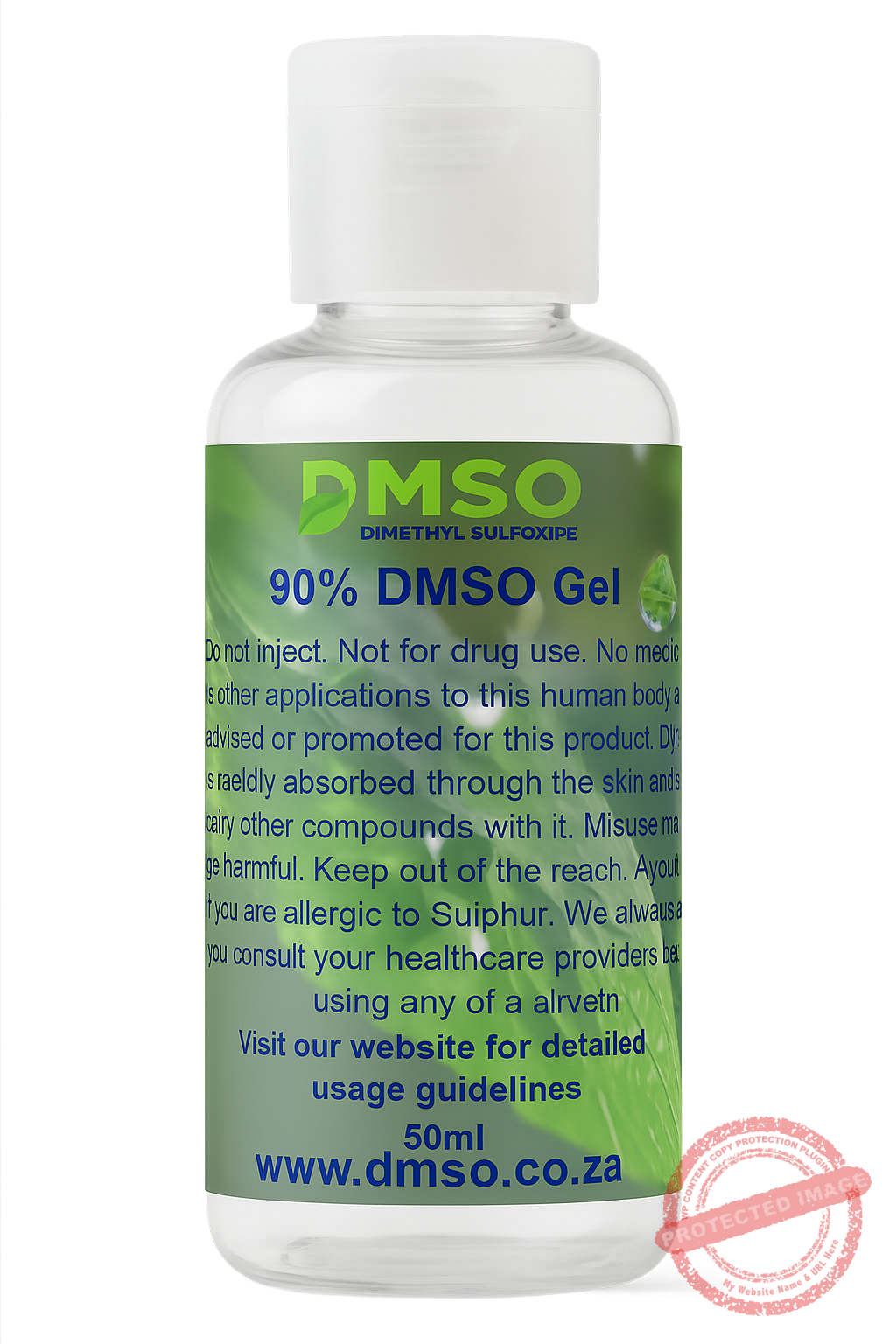
Medical Uses of 90% DMSO Concentration
| Medical Use | Mechanism / Benefit | Application Method | Reference |
|---|---|---|---|
| Antibiotic Potentiation | Converts resistant bacteria to antibiotic-sensitive strains when combined with antibiotics | Topical or injected (experimental) | [1] |
| Pain Relief (Severe Cases) | Blocks peripheral nerve conduction and reduces inflammation in deep tissue | Topical application | [2] |
| Chemotherapy Extravasation Protection | Prevents tissue damage from chemotherapy drug leakage into surrounding tissue | Topical application | [3] |
| Carrier for Cytotoxic Agents | Facilitates transdermal delivery of chemotherapy or other cytotoxic drugs | Mixed with active compounds | [3] |
| Diabetic Foot Ulcers (Experimental) | Promotes healing and reduces inflammation in chronic wounds | Topical application | [3] |
| Amyloidosis (Investigational) | May reduce amyloid accumulation and organ damage | Topical or systemic (under study) | [3] |
⚠️ Precautions When Using 90% DMSO
- High Irritation Risk: May cause burning, itching, redness, or hives. Avoid use on sensitive areas like face or neck.
- Enhanced Drug Absorption: Can carry harmful substances into the bloodstream. Ensure all co-applied compounds are safe.
- Purity Is Critical: Only pharmaceutical-grade DMSO should be used. Industrial-grade may contain toxic impurities.
- Systemic Effects Possible: Garlic-like taste, breath odor, and transient changes in blood chemistry may occur.
- Not for Routine Use: 90% concentration is typically reserved for research or severe cases under medical supervision.
- Avoid During Pregnancy: Safety data is insufficient for use during pregnancy or breastfeeding.
Reference List
- Pottz, P., Rampey, J., & Benjamin, M. (1967). DMSO and Antibiotic Sensitivity. Doctors Beyond Medicine
- Jacob, S. W., & Herschler, R. (1986). Dimethyl Sulfoxide (DMSO): Current Status. Clinical Pharmacology & Therapeutics.
- Hill, K., & Prouty, E. (2025). DMSO for Pain Relief: Benefits, Uses, and Safety. Health.com