shop
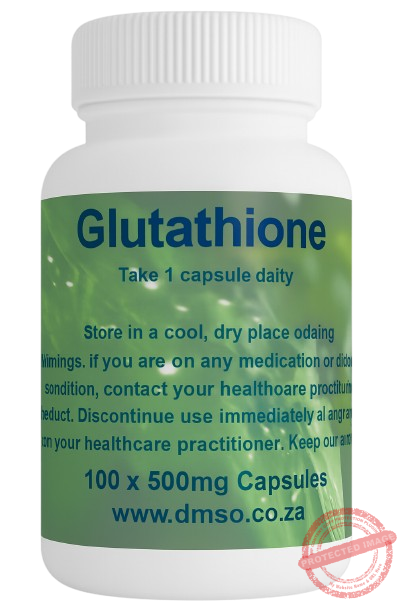
What is Glutathione?
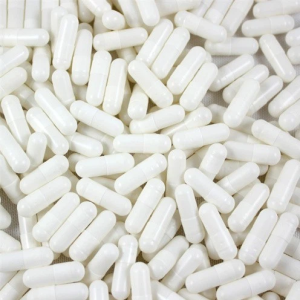
Glutathione is a powerful intracellular antioxidant composed of three amino acids: glutamine, cysteine, and glycine. It plays a crucial role in cellular detoxification, oxidative stress reduction, immune system modulation, and DNA repair. Found naturally in every cell, especially in the liver, glutathione levels decline with age, chronic illness, poor diet, pollution, and medication use. A 500mg capsule typically delivers reduced L-glutathione, the bioactive form readily used by cells.
Key Benefits of Glutathione
| Health Benefit | Description |
|---|---|
| Master Antioxidant Defense | Neutralizes free radicals, regenerates other antioxidants (vitamins C & E), and protects cell structures (Pizzorno, 2014). |
| Detoxification Support | Vital for phase II liver detoxification pathways—binds and eliminates heavy metals, xenobiotics, and alcohol. |
| Immune System Modulation | Enhances lymphocyte function, supports cytokine regulation, and helps resist infections. |
| Skin Brightening | Inhibits melanin production and may promote skin lightening with regular oral or IV use (Weschawalit et al., 2017). |
| Neuroprotection | Protects neurons from oxidative stress, potentially slowing cognitive decline and neurodegeneration. |
| Cardiovascular Health | Reduces endothelial oxidative damage and supports nitric oxide activity for healthy blood pressure. |
| Anti-Aging and Cellular Repair | Preserves mitochondrial function, slows telomere shortening, and combats signs of aging. |
Recommended Dosage
| Form | Dosage Range | Notes |
|---|---|---|
| Capsules/Tablets (500mg) | 500–1,000 mg per day | Commonly taken in divided doses; ideally on an empty stomach. |
| Liposomal Glutathione | 250–500 mg per day | Enhanced absorption; recommended for liver, neurological, or skin support. |
| IV Glutathione | 600–2,400 mg per session | Medical use only; administered under professional supervision. |
| Precursor Stack (e.g., NAC + ALA) | NAC (600–1,200 mg/day) | Supports the body’s own glutathione synthesis when combined with cofactors. |
Best taken: On an empty stomach or between meals to enhance bioavailability. Liposomal forms can be taken with or without food.
⚠️ Precautions & Side Effects
-
Generally well tolerated, especially in oral form.
-
High doses may cause bloating, cramps, or skin rashes in sensitive individuals.
-
In rare cases, IV glutathione may cause allergic reactions or lower zinc levels.
-
Use caution in asthmatics—inhaled or IV forms may trigger bronchospasm.
-
Not recommended during pregnancy or breastfeeding unless advised by a healthcare professional.
Consult a medical practitioner before starting glutathione therapy, especially if you have liver or kidney disease, or are receiving chemotherapy.
References
-
Pizzorno, J. (2014). "Glutathione! The mother of all antioxidants." Integrative Medicine: A Clinician's Journal.
-
Weschawalit, S. et al. (2017). "Glutathione and its antiaging and antimelanogenic effects." Clinical, Cosmetic and Investigational Dermatology.
-
Richie, J. P. et al. (2015). "Randomized controlled trial of oral glutathione supplementation." European Journal of Nutrition.
-
Wu, G. et al. (2004). "Glutathione metabolism and its implications for health." The Journal of Nutrition.